Benefits of Professional Home Care: An Evidence-Based Overview
As populations age and chronic illnesses become more common, families across the world are facing a critical question:
How can individuals receive high-quality care while maintaining independence and dignity?
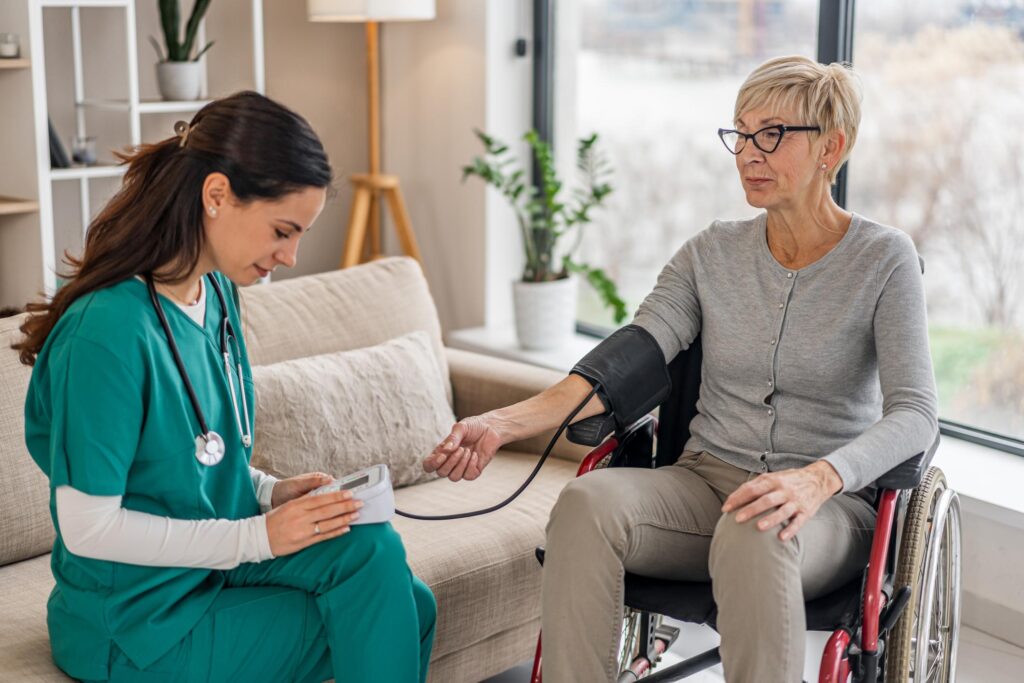
Professional home care has emerged as a widely adopted solution. Rather than relocating to institutional facilities, many individuals now receive medical and non-medical support within their own homes.
This article explores the documented benefits of professional home care from clinical, psychological, and economic perspectives.
The Growing Need for Home-Based Care
According to the World Health Organization (WHO), the global population aged 60 years and older is expected to double by 2050.
🔗 https://www.who.int/news-room/fact-sheets/detail/ageing-and-health
In the United States, the Centers for Disease Control and Prevention (CDC) reports that the majority of adults aged 65+ live with at least one chronic condition.
🔗 https://www.cdc.gov/aging
As healthcare systems adapt to this demographic shift, home-based care has become an increasingly important component of long-term care strategy.
1. Preservation of Independence and Familiarity
Remaining in a familiar environment has measurable psychological benefits. Research shows that familiar surroundings can:
- Reduce stress and anxiety
- Lower confusion in individuals with cognitive decline
- Support emotional stability
- Promote better sleep patterns
The National Institute on Aging (NIA) notes that aging in place supports autonomy and can contribute to improved life satisfaction.
🔗 https://www.nia.nih.gov/health/aging-place-growing-older-home
Home care allows individuals to continue daily routines while receiving structured support.
2. Personalized, Individualized Attention
Unlike institutional settings where staff manage multiple patients simultaneously, professional home care provides one-on-one attention.
Care plans are typically tailored to:
- Medical diagnoses
- Functional limitations
- Medication requirements
- Dietary needs
- Cultural preferences
- Social and emotional considerations
This individualized approach can enhance adherence to treatment plans and improve outcomes.
3. Reduced Hospital Readmissions
One of the most significant clinical benefits of professional home care is the reduction in hospital readmission rates.
Studies published in medical journals such as The Journal of the American Geriatrics Society indicate that structured home health interventions can:
- Improve medication compliance
- Detect early warning signs
- Prevent complications
- Reduce emergency visits
The Centers for Medicare & Medicaid Services (CMS) also recognizes home health services as an essential component of transitional care.
🔗 https://www.cms.gov/Medicare/Medicare-Fee-for-Service-Payment/HomeHealthPPS
4. Cost Efficiency Compared to Institutional Care
While costs vary depending on level of care and region, in many cases home care can be more cost-effective than residential facilities.
According to Genworth’s Cost of Care Survey, long-term care facility costs often exceed the annual cost of part-time or intermittent in-home services.
🔗 https://www.genworth.com/aging-and-you/finances/cost-of-care.html
Flexible care options allow families to scale services based on actual need, rather than paying for full residential care.
5. Emotional and Social Well-Being
Social isolation is a documented health risk. The CDC identifies loneliness as a factor associated with increased risk of:
- Depression
- Cognitive decline
- Heart disease
- Premature mortality
🔗 https://www.cdc.gov/aging/publications/features/lonely-older-adults.html
Professional caregivers provide structured social interaction and companionship, which may help mitigate some of these risks.
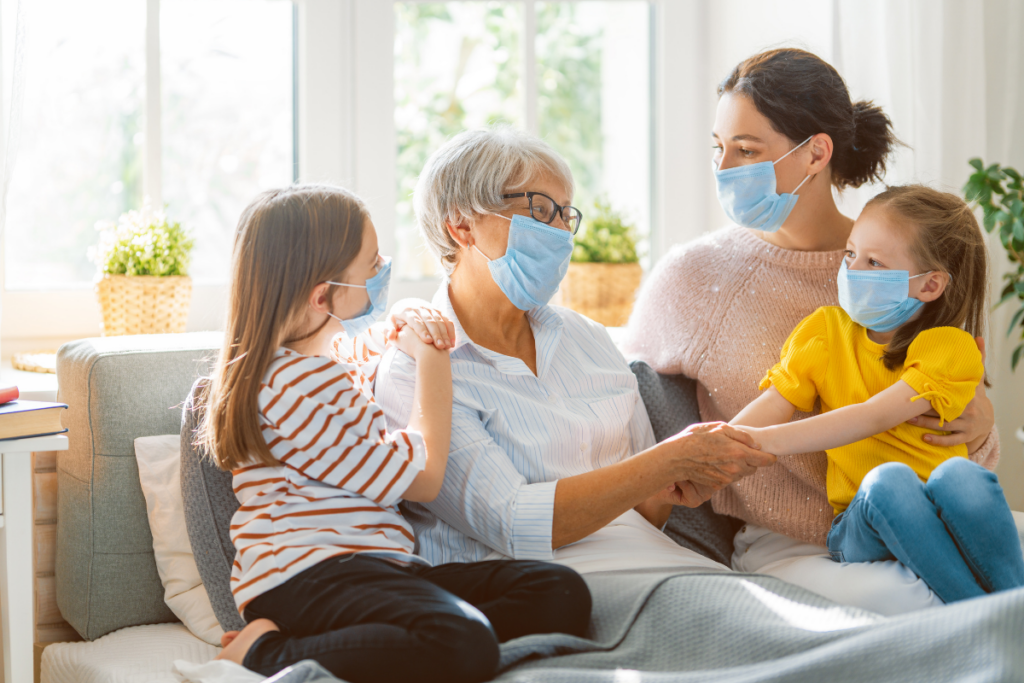
6. Support for Family Caregivers
Family caregivers often experience physical and emotional strain.
According to AARP, millions of Americans provide unpaid caregiving to relatives each year, and many report high stress levels.
🔗 https://www.aarp.org/caregiving/
Professional home care services can:
- Provide respite
- Reduce burnout
- Offer clinical guidance
- Improve overall care coordination
This shared approach can improve outcomes for both caregivers and care recipients.
7. Flexibility Across Levels of Care
Professional home care spans a wide spectrum, including:
- Assistance with activities of daily living (ADLs)
- Medication management
- Post-surgical recovery
- Chronic disease monitoring
- Skilled nursing services
This flexibility allows care to evolve as medical needs change.
A Broader Shift in Healthcare Delivery
Modern healthcare increasingly emphasizes patient-centered care, community-based services, and value-based outcomes.
Home care aligns with these goals by:
- Prioritizing individual dignity
- Reducing institutional dependency
- Supporting coordinated care models
- Emphasizing prevention and early intervention
As healthcare systems continue to adapt, home-based services are expected to play an even larger role in long-term care planning.
Conclusion
Professional home care is not simply a convenience — it represents a strategic, evidence-supported approach to modern aging and chronic disease management.
By combining medical oversight, personalized assistance, and emotional support within a familiar environment, home care offers a balanced solution that addresses both clinical needs and human dignity.
As demographic trends continue to evolve, home-based care will remain a central pillar of compassionate, sustainable healthcare delivery.