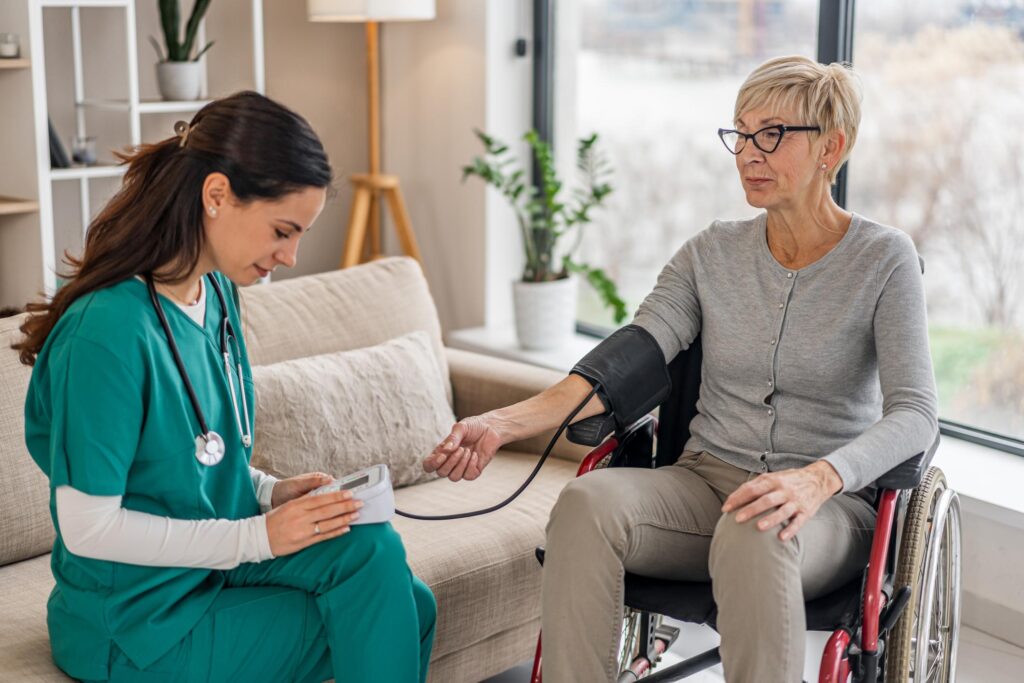

Understanding the Different Types of Home Care Services
As the demand for home-based support continues to grow, many families find themselves asking an important question:
What exactly does “home care” include?
Home care is not a single service. It is a broad term that covers different levels of medical and non-medical support delivered in a person’s home. Understanding the differences can help families make informed, confident decisions.
1. Non-Medical Home Care (Personal & Companion Care)
Non-medical home care focuses on assistance with daily living activities rather than clinical treatment.
These services often include:
- Help with bathing, grooming, and dressing
- Meal preparation and feeding assistance
- Light housekeeping
- Transportation to appointments
- Medication reminders
- Companionship and emotional support
This type of care is ideal for individuals who are mostly independent but need support with routine tasks.
According to the National Institute on Aging (NIA), assistance with Activities of Daily Living (ADLs) plays a key role in helping older adults remain safely at home.
🔗 https://www.nia.nih.gov/health/what-are-activities-daily-living
2. Skilled Home Health Care (Medical Care at Home)
Skilled home health care involves licensed medical professionals providing clinical services under a physician’s direction.
These services may include:
- Wound care
- IV therapy
- Medication administration
- Physical therapy
- Occupational therapy
- Monitoring chronic conditions
Skilled care is often recommended after hospital discharge or during recovery from illness or surgery.
The Centers for Medicare & Medicaid Services (CMS) define home health care as medically necessary services provided under a physician-approved plan of care.
🔗 https://www.medicare.gov/coverage/home-health-services
3. Palliative Care at Home
Palliative care focuses on comfort, symptom management, and quality of life for individuals living with serious illnesses.
Unlike hospice care, palliative care can be provided alongside curative treatments.
It may include:
- Pain management
- Emotional support
- Care coordination
- Assistance navigating treatment decisions
The World Health Organization (WHO) describes palliative care as an approach that improves the quality of life of patients and their families facing life-threatening illness.
🔗 https://www.who.int/news-room/fact-sheets/detail/palliative-care
4. Hospice Care at Home
Hospice care is specialized support for individuals nearing the end of life. The focus shifts from curing illness to providing comfort and dignity.
Services typically include:
- Pain and symptom management
- Emotional and spiritual support
- Support for family members
- 24/7 on-call assistance
Hospice care prioritizes comfort and quality of life in the final stages of illness.
5. Respite Care
Respite care provides temporary relief for family caregivers.
Caring for a loved one can be physically and emotionally demanding. Short-term professional care allows caregivers to rest, travel, or manage other responsibilities while ensuring their loved one remains supported.
Research consistently shows that caregiver burnout is a significant health risk, making respite services an important part of long-term care planning.
Choosing the Right Type of Care
The right type of home care depends on:
- Medical needs
- Safety concerns
- Level of independence
- Cognitive condition
- Family support system
A professional care assessment can help determine which services are most appropriate.
Final Thoughts
Home care is not one-size-fits-all. It ranges from simple companionship to advanced clinical treatment.
Understanding these differences empowers families to:
- Make informed decisions
- Plan proactively
- Maintain dignity and independence
- Reduce emergency hospitalizations
As populations age worldwide, home care continues to play a critical role in modern healthcare systems.